

Key Takeaways
- Dementia support looks different for every person—it’s never one-size-fits-all
- Daily routines, familiar environments, and personal care all shape the experience
- Social connection and enrichment activities play a real role in well-being
- Family involvement stays meaningful and valued throughout the journey
- The right memory care community can grow alongside your loved one’s changing needs
Dementia Support: What It Really Means
Watching someone you love navigate the changes that come with dementia can feel overwhelming. You want to help—but knowing what kind of support actually makes a difference isn’t always clear at first.
The right support for someone with dementia goes far beyond medical care—it’s about nurturing daily joy, safety, connection, and a sense of self that doesn’t fade.
Memory care communities like Juniper Village at Devon are built around exactly that: honoring who your loved one is, not just managing where they are.
Day-to-Day Help That Makes a Real Difference
Personal Care and Daily Activities
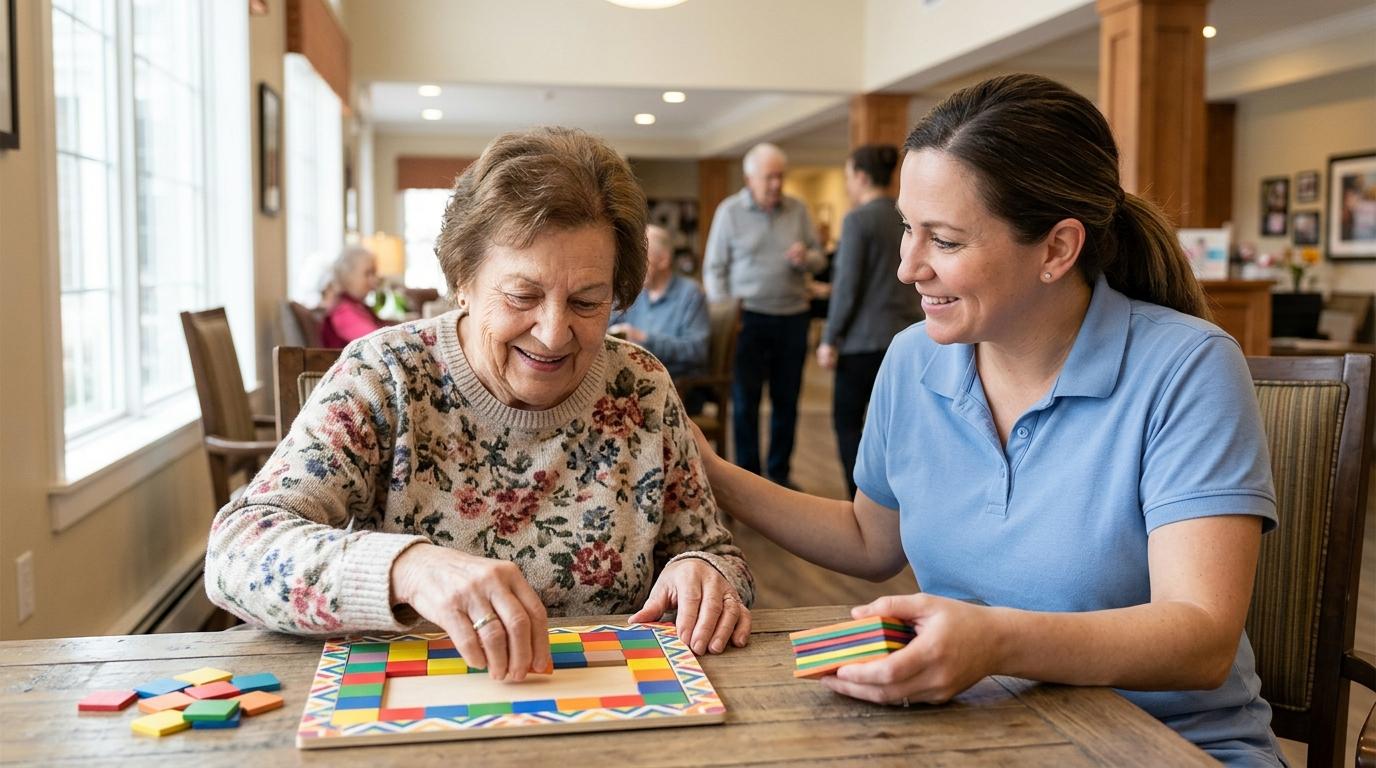
The small moments of the day matter more than you might think. Help with grooming, getting dressed, enjoying a warm meal, or moving comfortably through the living spaces—these aren’t minor details. They’re the foundation of a good day.
Gentle, familiar routines bring a quiet sense of calm that helps reduce confusion and anxiety. When the rhythm of the morning feels predictable—the smell of coffee, the soft weight of a familiar blanket—it signals safety without a single word spoken.
Personal care adapts naturally as needs shift over time, always following your loved one’s lead.
A Space That Feels Like Home
The environment around someone with dementia carries enormous weight. Warm lighting, comfortable textures, familiar sounds—these sensory details aren’t decorative. They’re deeply grounding. The right space feels lived-in and welcoming, not clinical or sterile.
Safe, thoughtfully designed spaces allow your loved one to move freely and explore without the undercurrent of anxiety. Freedom and security aren’t opposites in a good memory care community—they go hand in hand.
The Power of Social Connection in Memory Care
Why Belonging Still Matters
Connection doesn’t disappear with a dementia diagnosis—the need for it deepens. Isolation can quietly dim the spark that makes daily life feel meaningful. A friendly face at breakfast, a familiar voice in the hallway, a shared laugh over something small—these moments add up.
Meaningful social interactions lift mood, encourage engagement, and remind your loved one that they are seen and valued. That sense of belonging is something a strong senior living community protects every single day.
Programs That Spark Joy and Purpose
Music has a way of reaching places words can’t. So does a paintbrush in hand, or the rhythm of gentle movement to a favorite song. Enrichment programs in memory care are designed to tap into deep reminiscence and personal passions—not just fill time.
Memory care communities offer a variety of ways to connect every day. Your loved one’s supportive team can help them discover an activity tailored to their interests, so they aren’t just participating—they’re genuinely engaged.
Whether it’s a creative afternoon, a garden stroll, or a group sing-along, these moments of joy and purpose are woven into every day. Explore the enrichment and engagement programs that bring these experiences to life.
How Families Fit Into the Support Picture
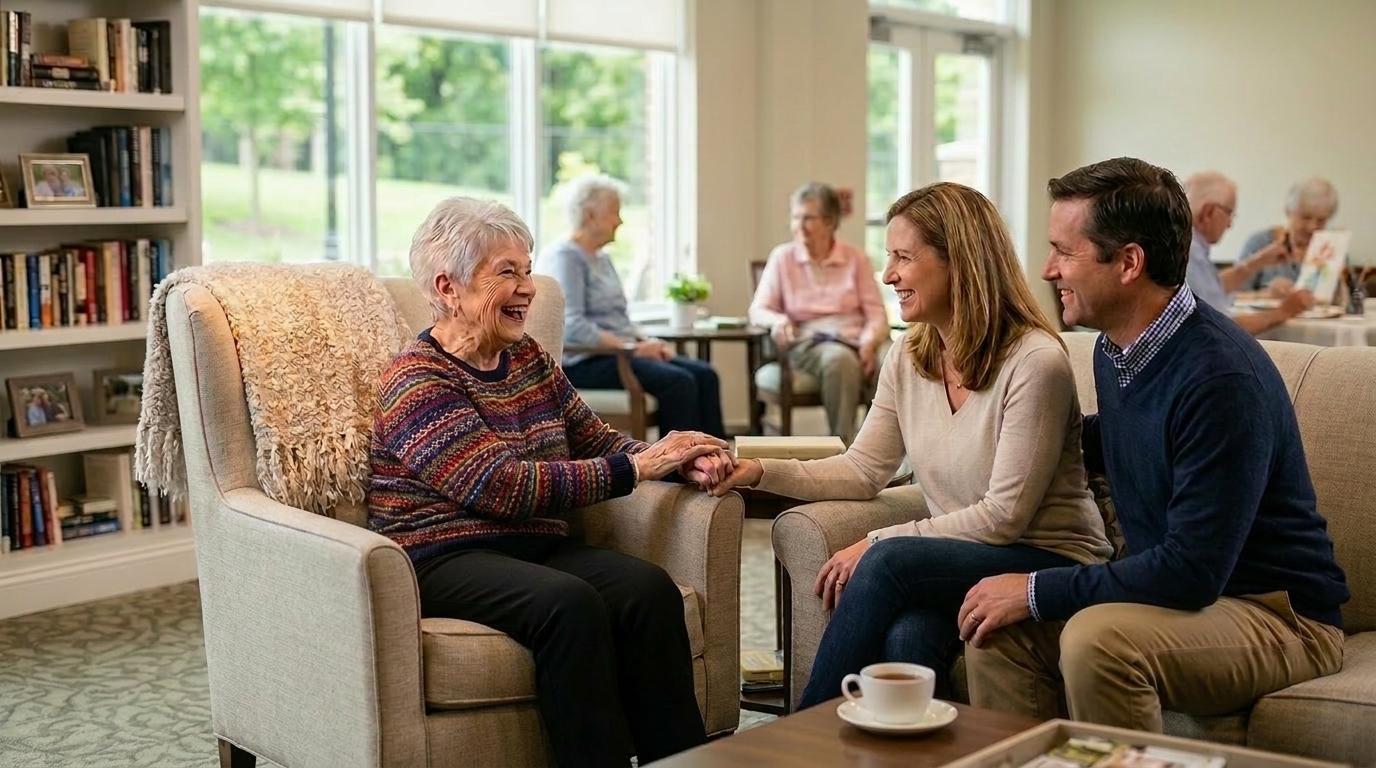
Your role doesn’t shrink when your loved one moves into memory care—it simply shifts. Family visits and involvement remain deeply meaningful for both you and your loved one. Seeing a familiar face still lights something up that no amount of professional care can fully replicate.
A compassionate memory care team keeps families informed, welcomed, and genuinely part of the journey. The team can support meaningful communication. They build care plans around each resident’s unique story—their history, preferences, and what makes them smile.
You’re not handing off care. You’re becoming part of a wider circle of support.
What to Look for in a Memory Care Community
Signs of Thoughtful, Personalized Care
When you walk into a memory care community, pay attention to the details. Do staff members greet residents by name? Do they know that your loved one prefers tea over coffee, or lights up when a certain song plays? That kind of personal knowledge is a sign of genuine, attentive care.
The tone of the community matters too. A warm, welcoming atmosphere—where laughter is easy, and everyone seems at ease—can tell you more than any brochure ever could.
Questions Worth Asking
- How does the team personalize daily routines for each resident?
- What does a typical day look and feel like here?
- How does the community balance safety with personal freedom?
Taking the Next Step Toward the Right Support
Recognizing that your loved one needs more support is a courageous moment—not a defeat. Memory care and personal care options are available at every stage of the journey, and finding the right fit can genuinely change the texture of daily life for everyone involved.
At Juniper Village at Devon, our team builds care around the whole person—their history, their personality, their joy. When you’re exploring what the right support looks like for your family, reach out and start the conversation. The next chapter can be a good one.